Late august 2018
military helicopter company NHIndustries
concluded a deal with
Qatar to sell 28 helicopters. The France-based
company is jointly owned by Airbus, Leonardo Helicopters and Fokker
Aerostructures. Fokker produces the landing gear for the NH-90
helicopters. The deal with Qatar is only a tip of the iceberg of the
involvement of the Fokker company in the Middle East. Fokker delivers
parts for all kinds of aircraft used in the war on Yemen. Fokker is
an almost forgotten part of the Dutch industry; that many of its
planes are still flying is not commonly known
Late august 2018
military helicopter company NHIndustries
concluded a deal with
Qatar to sell 28 helicopters. The France-based
company is jointly owned by Airbus, Leonardo Helicopters and Fokker
Aerostructures. Fokker produces the landing gear for the NH-90
helicopters. The deal with Qatar is only a tip of the iceberg of the
involvement of the Fokker company in the Middle East. Fokker delivers
parts for all kinds of aircraft used in the war on Yemen. Fokker is
an almost forgotten part of the Dutch industry; that many of its
planes are still flying is not commonly known
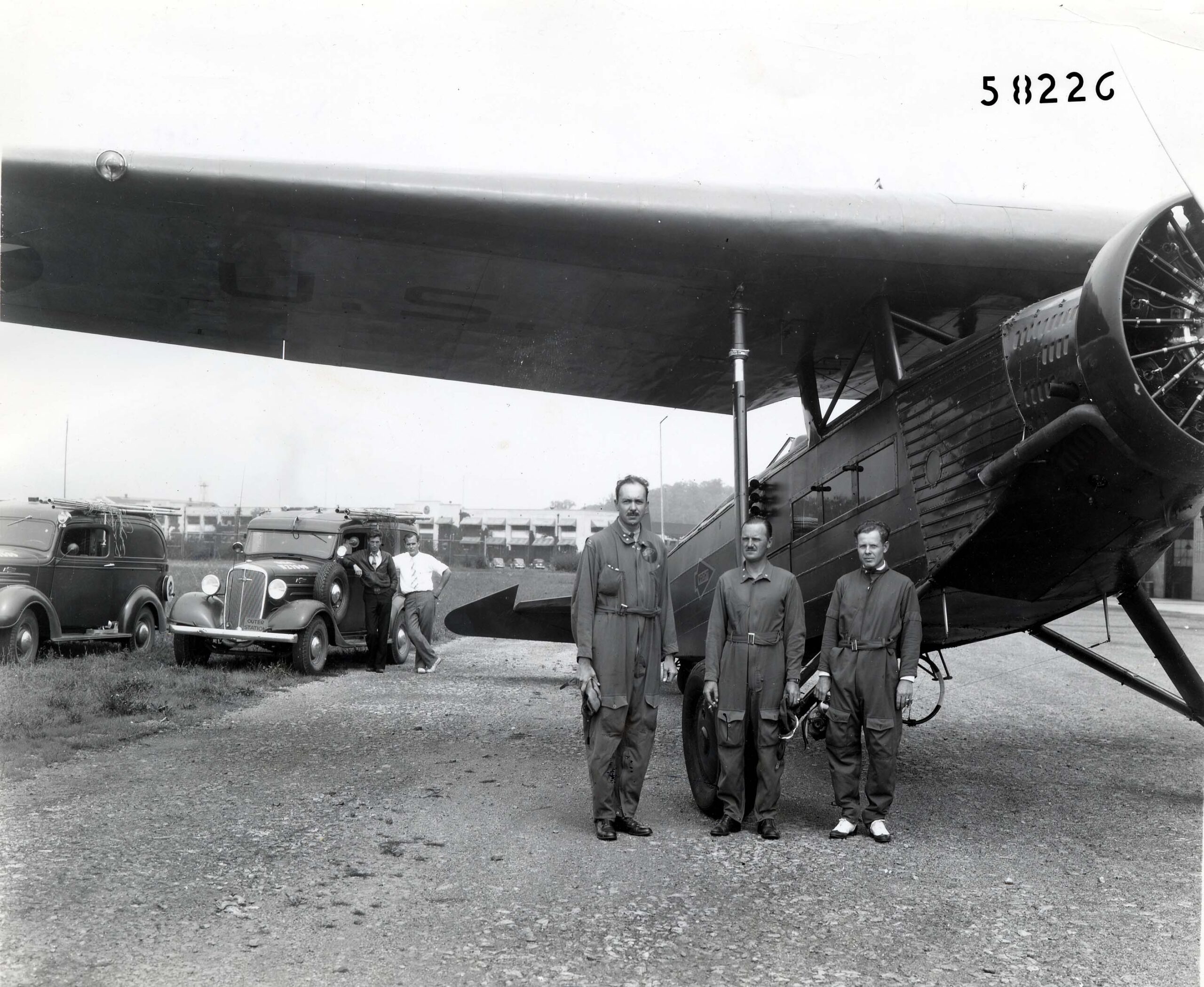
The history of Fokker
dates back to the very beginning of aviation. And also military
aviation. The company already delivered war planes to Germany during
World War I. A spectaclair case was the false flag operation by India to have a pretext ending all flights from East to West Pakistan as was stated in the Pakistan Daily Times:
But more recently, after its bankruptcy in 2005 the production of complete planes ended but Fokker did not disappear. Branches continued producing components for aircraft and missiles of Airbus, Leonardo, Raytheon, Boeing and Lockheed Martin.
"On Jan 30, 1971 we fell for an India-staged hijacking of an Indian Airlines Fokker-27 named “Ganga” to Lahore, supposedly carried out by Kashmiri separatists, one of them was actually a RAW [Indian intelligence agency] operative. Taken out of service by Indian Airlines a year before the “false flag operation”, the Fokker was brought back into operation solely for this flight, was it a coincidence that all the passengers were RAW, BSP, police, etc personnel and their families. Its blowing up at the Lahore Airport tarmac, was then used a pretext to stop all over flights between East and West Pakistan just when our developing internal political crisis badly needed physical (and psychological) communications for a direct route to remain and signify unity."
But more recently, after its bankruptcy in 2005 the production of complete planes ended but Fokker did not disappear. Branches continued producing components for aircraft and missiles of Airbus, Leonardo, Raytheon, Boeing and Lockheed Martin.
For
an outsider it is difficult to tell which components are part of
which weapon system. Fokker has made agreements on production on many
systems and those are sold to a number of countries (see table 3)
most probably while including Dutch components.
Fokker is also still
overhauling the planes that it has build in its glorious past.
Planes have long lives and many Fokker planes are still part of
military inventories, used for military tasks such as maritime
patrol, cargo and personnel transport. They fly on all continents:
from Angola to Venezuela, from tiny Togo to the United States. Active
types involved are the F-27,
F-28,
F-50
(and the slightly longer F-60), F-70 and F-100 (see table 1).
Table
1: Military Fokker aircraft still active
|
||
F-27
|
F-28
(incl. F-70 and 100)
Air worthyness (update 4 Oct. 19) |
F-50
|

Iranian
Bron:
|
||
Algeria
- AF
|
Argentine
- AF (decommisioned)
|
Peru
- N
|
Angola
- AF
|
Colombia
- AF
|
Taiwan
- AF
|
Argentine
- AF
|
Côte
d'Ivoire - VIP Transport
|
Singapore
- AF
|
Bolivia
A, - AF
|
Ghana
- AF
|
Tanzania
- AF
|
Finland
- AF
|
Indonesia
- AF
|
Thailand
- P
|
Indonesia
- AF
|
Kenya
- AF
|
|
Iran
- A, AF, N
|
Malaysia
- AF
|
|
Myanmar
- AF
|
Myanmar
- AF
|
|
Pakistan
- AF, N
|
Peru
- A, N
|
|
Philippines
- AF, N
|
Philippines
- AF
|
|
Peru
- N, CG
|
Tanzania
- AF
|
|
Senegal
- AF
|
Togo
- AF
|
|
Sudan
- AF
|
Venezuela
- NG
|
|
Thailand
- N
|
||
United
States - APT
|
||
Primarily
based on The Military Balance 2018 and secondarily on Fokker
wiki's. When not listed in MB18 a 3rd source is given.
When no such source for a wiki entry is found, that entry is
removed.
A
= Army, AF = Air Force, APT = Army Parachute Team, CG=Coast Guard,
N = Navy, NG = National Guard, P = Police
|
||


 |
| GKN results period ended 30 June 2015. |
Since October 2015, Fokker
is part of UK company GKN. For € 706 million GKN Aerospace acquired
Stork Topco B.V. which owns Fokker Technologies Group B.V. GKN
employs a workforce of 17,000 at 51 locations in 14 different
countries. Turnover in 2017: € 4 billion. Fokker had 4,900 (3,500
in the Netherlands) employees in 8 other countries (Romania, Turkey,
Canada, Mexico,
USA, China, India and Singapore, see table 2) and owns 44 per cent of
Belgian SABCA shares.
GKN Aeospace Fokker is
composed of four divisions falling under Fokker Technologies:
aerostructures, electrical wiring systems, landing gear and services.
That last division plays a major role in the maintenance and repair
of Fokker aircraft, but also of recent aircraft types such as the
F-35. GKN even considers
to make this part more important. Fokker Technologies is a major
contributer to the overall rotary wing (helicopter) sector of GKN.
Table
2: Subsidiaries and other
undertakings
|
|
Papendrecht,
Nl
(Hoogeveen) |
Fokker
Aerospace B.V.
|
Fokker
Aerostructures B.V.
|
|
Fokker
(CDR) B.V.
|
|
Fokker
Engineers & Contractors B.V.
|
|
Fokker
Procurement Combination B.V.
|
|
Fokker
Technologies Group B.V.
|
|
Fokker
Technologies Holding B.V.
|
|
Fokker
Technology B.V.
|
|
Hoofdkantoor
Slobbengors Beheer B.V.
|
|
Hoogerheide,
Nl
|
Fokker
Aircraft Services B.V.
|
Fokker
Techniek B.V.
|
|
Helmond,
Nl
|
Fokker
Landing Gear B.V.
|
Hoofddorp,
Nl
|
Fokker
Services B.V.
|
Canada
|
Fokker
Elmo Canada Inc.
|
China
|
Fokker
Elmo (Langfang) Electrical Systems Co.
|
India
|
Fokker
Elmo SASMOS Interconnection Systems Ltd.
|
Romania
|
Fokker
Engineering Romania S.R.L.
|
Singapore
|
Fokker
Services Asia Pte Ltd.
|
Turkey
|
Fokker
Elmo Havacilik Sanayi Ve Ticaret Ltd.
|
USA
|
Fokker
Aerostructures Inc.
|
Fokker
Elmo Inc,
|
|
Wide range of aircraft
All different Fokker
divisions produce components for a wide range of aircraft, such as
fighters, helicopters and transport planes and even for PAC3
missiles (part of layered missile defence). For transport planes
including the A400M,
the C-130
Hercules
(globally the most common military
transport aircraft), and the Leonardo C-27J
battlefield airlifter. Those planes are used for the deployment of
troops and equipment all over the globe. But components are also
produced for the Boeing
737
AEW&C, an airborne early
warning and control aircraft designed for the Australian air
force to oversee the battlefield. This aircraft is also sold to
Turkey and South Korea, and offered to Italy and the UAE.
The Boeing
P-8
Poseidon is
in use in several countries for
patrolling sea lines of communication, illegal activities and migrant
movements and - military the most important - searching for
submarines. The P-8 is in 2017 offered to Saudi Arabia.
Helicopters
Fokker is widely
involved in helicopter programs. This includes the previously
mentioned NH-90
program, a helicopter in two different versions for tactical
transport (of goods and/or troops) and for use on naval surface
vessels of frigate size and bigger. The Dutch company also produces
major sub-assemblies for the back of the double rotor Chinook
helicopters. For the Apache attack helicopter (AH-64)
it is producing the forward avionic bays (FAB's), the vertical
stabilizer and landing gear. GKN
stated that: “This
successful collaboration has continued with the operation involved in
the latest Apache version: the AH-64D Block III.”
The Apache is not
only found in inventories of the US forces and the armed forces of a
number of Asian and European allies, but also in the Egyptian,
Israeli, Kuwaiti, Qatar, UAE and Saudi (also Army and National Guard)
Air Forces. The
attack helicopters are operated in the military actions in Yemen
under the cynical designation Restore Hope. The Saudi's employ at
least two and the Emirates seven of them in fighting operations,
according to the Military Balance (2018 edition).
Fighter aircraft
Resulting from
offset agreements made during the last forty years Fokker is also
involved in the production of F-16
parts. These planes are also
used in the war on Yemen: Bahrain employs six, Egypt six, Jordan six,
Morocco six, and the UAE each 12.
The latest addition
to the Western fighter aircraft fleet, the F-35
Lightning (including its engine),
is fitted with Fokker parts and more of this kind of complicity can
be expected in conflicts not yet even known.
Arms
(component) control
The
Dutch government has the opinion that as long as exports of
components take place in EU/NATO+ countries, the arms export controls
will be done in the country of final assembling. Is this
controllable? Yes it is if the the companies assembling the
aeronautic weapon systems want to cooperate and Dutch government is
willing to make this a condition. One of the demands
in the production process among the involved businesses is that: “Full
traceability of the Supply Chain shall be guaranteed either by
AS/EN9120 certification or be proven by the paperwork with the
goods.” This
traceability could become the foundation for a more stringent arms
export policy. It should. Why is the Dutch government strict on
direct exports to Riyadh, but can Dutch components end up in weapon
systems used by the Saudi's and their allies in a bloody war?
Geschreven voor Stop Wapenhandel.
Table
3: Products
with Fokker involvement and client states (minus EU/NATO+
countries)
|
|||||||||
Helicopters
|
Transport
Aircraft
|
Maritime
Patrol
|
Early
warning
|
Fighter
Aircraft
|
Missiles
|
||||
Type
|
NH-Industries
|
Boeing
|
Airbus
|
Leonardo
|
Boeing
|
Boeing
|
Lockheed
|
Lockheed
|
Raytheon
|
Chad
|
|||||||||
Chile
|
|||||||||
Egypt
|
|||||||||
India
|
|||||||||
Iraq
|
|||||||||
Israel
|
|||||||||
Indonesia
|
|||||||||
Jordan
|
|||||||||
Kenya
|
|||||||||
Kuwait
|
|||||||||
Malaysia
|
|||||||||
Mexico
|
|||||||||
Morocco
|
|||||||||
Oman
|
|||||||||
Pakistan
|
|||||||||
Peru
|
|||||||||
Qatar
|
|||||||||
Saudi
Arabia
|
|||||||||
Singapore
|
|||||||||
Taiwan
|
|||||||||
Thailand
|
|||||||||
Turkey
|
|||||||||
Turkmenistan
|
|||||||||
UAE
|
|||||||||
Venezuela
|
|||||||||
Zambia
|
|||||||||
Fokker
worked on the C-130 Hercules also. This is plane sold to over
seventy countries and production started in 1950. The other
aircraft are of a more recent date and/or the Netherlands is
participating from the start in its production, because of offset
agreements.
Based
on Military Balance 2018 and wikipedia. Light purple on
order/potential sale and purple sold.
|
|||||||||